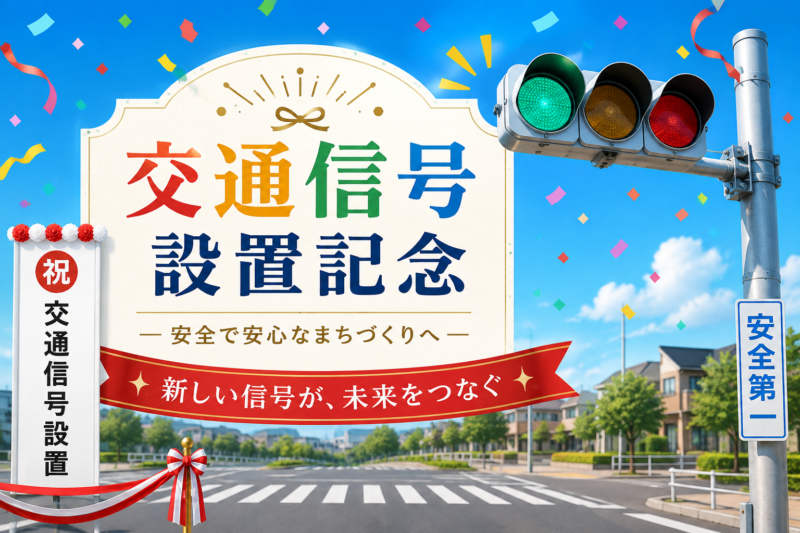
今日8月20日は、日本の街並みを一変させた「交通信号設置記念日」、放送文化の礎を築いた「NHK創立記念日」、そして意外な医学的発見にちなむ「蚊の日」が重なる一日です。
交通信号設置記念日——銀座に灯った、日本初の三色灯
1931年(昭和6年)8月20日、東京・銀座の尾張町交差点(現・銀座4丁目交差点)や京橋交差点など、都内34か所に日本初の3色灯自動交通信号機が設置されました。
当時の信号機は、色が変わるたびにベルが鳴るという、今では珍しい仕様だったそうです。当時の人々にとって、自動で色が切り替わる信号機は、さぞかしハイカラで未来的な光景に映ったことでしょう。ちなみに信号の色の並び順(青・黄・赤)にも理由があり、日本のように車が右側に座席を持つ国では、街路樹などの影響を受けにくく、最も目立つ位置に「止まれ」の赤を配置しているのだとか。何気ない信号機にも、しっかりとした設計思想が込められているんですね。
NHK創立記念日——3つの放送局から始まった、日本の放送史
1926年(大正15年)8月20日、東京・大阪・名古屋にそれぞれ存在していたラジオ放送局が統合され、社団法人日本放送協会(NHK)が設立されました。
設立と同時に北海道・東北・中国・九州にも支部が置かれ、全国放送への大きな一歩が踏み出されました。1953年にはテレビ放送も開始され、以来日本の放送文化の中心的存在として、現在に至るまで多くの人々に情報とエンターテインメントを届け続けています。
蚊の日——マラリア研究の扉を開いた、ある発見
1897年8月20日、イギリスの医師ロナルド・ロスが、ハマダラカの胃の中からマラリア原虫を発見しました。この功績により「世界モスキートデイ(蚊の日)」が制定されています。
この発見は、蚊がマラリアを媒介するメカニズムを解明する大きな一歩となり、その後の感染症予防や公衆衛生の発展に多大な貢献をしました。ロスはこの功績により、1902年にノーベル生理学・医学賞を受賞しています。夏の厄介者として煙たがられがちな蚊ですが、その研究の歴史をたどると、実は人類の健康を守る重要な医学史とも深く結びついているんですね。
カミさんと出会うまでは、結構かに刺されていましたが、一緒になってからは刺される頻度が減りました。
カミさんの血はよっぽどおいしいのかもしれません(笑)
8月20日のその他の出来事
- 1842年:滝沢馬琴が長編小説『南総里見八犬伝』(全98巻)を、28年もの歳月をかけてついに完結させました。
- 1905年:孫文らが東京で中国革命同盟会を結成。後の辛亥革命へとつながる重要な出来事でした。
✍️ 今日のまとめ
街の安全を守る信号、情報を届け続ける電波、そして小さな虫から生まれた大きな医学的発見——今日は、私たちの暮らしを静かに支えてきたものたちに、あらためて目を向ける一日ですね。
技術の発展で信号機もパネルのように薄くなりました。LEDで電気代も抑えられるし、交換作業量自体もだいぶ減ったようです。また、強風にも強いので、台風銀座の沖縄にとってはとても助かってます。
初期費用はかなり掛かりそうですが、変更されてからだいぶ月日が経ってます。他のインフラ等の発展に予算が使われていることを願います。
本日も良い一日をお過ごしください。
See you soon.
Today, August 20th, brings together three anniversaries: “Traffic Signal Installation Memorial Day,” marking a moment that transformed the streets of Japan, “NHK Founding Memorial Day,” honoring the foundation of Japan’s broadcasting culture, and “Mosquito Day,” tied to an unexpected medical discovery.
Traffic Signal Installation Memorial Day — Japan’s First Three-Color Lights, Lit Up in Ginza
On August 20, 1931 (Showa 6), Japan’s first three-color automatic traffic signals were installed at 34 intersections across Tokyo, including the Owaricho intersection in Ginza (now the Ginza 4-chome intersection) and the Kyobashi intersection.
The signals of that era apparently rang a bell every time the light changed — a feature quite rare by today’s standards. For people at the time, a signal that automatically switched colors on its own must have seemed remarkably modern and futuristic. Interestingly, the order of the colors (green, yellow, red) isn’t arbitrary either — in countries like Japan, where the driver’s seat is on the right side of the car, red, meaning “stop,” is placed in the position least likely to be obscured by roadside trees and most visible to drivers. Even something as ordinary as a traffic light, it turns out, carries real design philosophy behind it.
NHK Founding Memorial Day 📻 — Japan’s Broadcasting History, Born from Three Stations
On August 20, 1926 (Taisho 15), the individual radio broadcasting stations operating in Tokyo, Osaka, and Nagoya were merged to form the Japan Broadcasting Corporation (NHK).
Branch offices were simultaneously established in Hokkaido, Tohoku, Chugoku, and Kyushu, marking a major step toward nationwide broadcasting. Television broadcasting began in 1953, and ever since, NHK has remained at the very center of Japan’s broadcasting culture, continuing to deliver information and entertainment to countless people to this day.
Mosquito Day — The Discovery That Opened the Door to Malaria Research
On August 20, 1897, British physician Ronald Ross discovered the malaria parasite inside the stomach of an Anopheles mosquito. In recognition of this achievement, “World Mosquito Day” was established.
This discovery was a major breakthrough in understanding the mechanism by which mosquitoes transmit malaria, and it went on to make an enormous contribution to the prevention of infectious disease and the development of public health. Ross was awarded the Nobel Prize in Physiology or Medicine in 1902 for this achievement. Mosquitoes are often seen as nothing more than a summer nuisance, but tracing the history of research surrounding them reveals a story deeply woven into the history of medicine and human health.
Before I met my wife, I used to get bitten by mosquitoes quite a lot — but ever since we got together, it’s happened much less often.
Her blood must just be way tastier than mine (lol).
Other Events on August 20th
- 1842: Takizawa Bakin finally completed his epic novel Nansō Satomi Hakkenden (98 volumes in total), a project that took him a remarkable 28 years to finish.
- 1905: Sun Yat-sen and others formed the Chinese Revolutionary Alliance in Tokyo — a pivotal event that would later lead to the Xinhai Revolution.
Today’s Takeaway ✍️
A signal that keeps our streets safe, radio waves that keep delivering information, and a major medical discovery born from a tiny insect. Today feels like a day for taking another look at the things that have quietly supported our daily lives.
Thanks to advances in technology, traffic signals have become as thin as flat panels now. LEDs have cut down on electricity costs, and the amount of maintenance work required has apparently dropped significantly too. They’re also more resistant to strong winds, which is a huge relief here in Okinawa, right in the middle of “typhoon alley.”
The initial cost of switching over must have been substantial, but it’s been quite a while since the changeover happened. I hope the budget freed up since then has gone toward developing other infrastructure as well.
Have a wonderful day today.
See you soon.


コメント