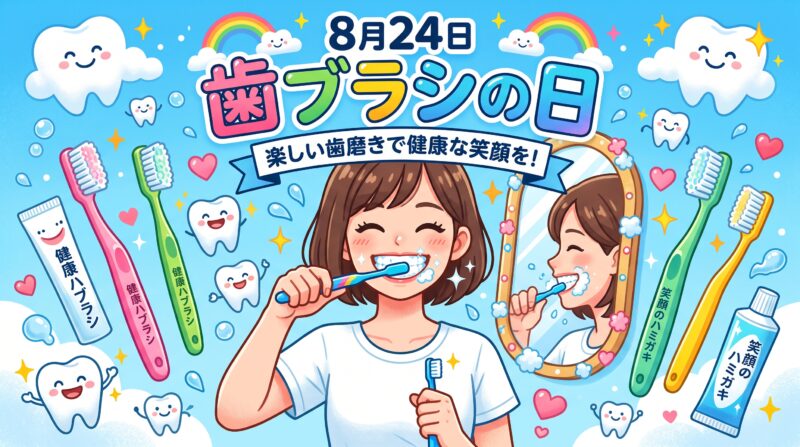
今日8月24日は、毎日の習慣にちなむ「歯ブラシの日」、そして西暦79年に起きた歴史的大災害「ポンペイ最後の日」が重なります。
歯ブラシの日——「8(は)2(ブラ)4(シ)」の語呂合わせ
「は(8)ブラ(2)シ(4)」という、そのまま読んだような親しみやすい語呂合わせから制定された「歯ブラシの日」。毎日当たり前のように使う歯ブラシですが、その役割を改めて見直してもらおうという趣旨で設けられています。
歯ブラシは、毛先が広がったり弾力が失われたりすると、本来の清掃効果が大きく落ちてしまうと言われています。一般的には1か月に一度の交換が推奨されているのだとか。今日は自分の歯ブラシの状態を、ちょっと確認してみるのも良いかもしれませんね。
ポンペイ最後の日——一夜にして消えた、古代ローマの街
西暦79年8月24日、イタリアのヴェスヴィオ火山が大噴火を起こし、ふもとの古代ローマの都市ポンペイが、大量の火山灰と軽石によって一瞬にして埋没しました。
当時、人口約2万人ともいわれるこの繁栄した都市は、噴火からわずか数時間のうちに壊滅。多くの住民が逃げる間もなく命を落としたとされています。しかしこの悲劇的な出来事が、皮肉にも当時の生活の様子を驚くほど鮮明な形で現代に伝えることになりました。火山灰に覆われたことで空気や水から遮断され、建物や壁画、人々の生活道具までもが、当時の姿のまま奇跡的に保存されたのです。
18世紀に発掘調査が始まって以降、ポンペイは古代ローマ研究における最も重要な遺跡のひとつとなり、1997年にはユネスコの世界遺産にも登録されました。イギリスの作家リットンによる小説『ポンペイ最後の日』は、この悲劇を題材にした代表的な作品として知られ、後に映画化もされています。
おまけ:ウクライナ独立記念日
1991年8月24日、ウクライナがソビエト連邦からの独立を宣言しました。以来この日は「ウクライナ独立記念日」として、同国最大の祝日のひとつに位置づけられています。
✍️ 今日のまとめ
毎日の小さな習慣を見直す日、そして一夜にして消え、時を超えて蘇った古代都市——今日は「日常」と「歴史の重み」、両方を感じる一日ですね。
今日は歯ブラシの交換時期を確認しつつ、機会があればポンペイの歴史に触れてみるのも良いかもしれません。
本日も良い一日をお過ごしください。
See you soon.
Today, August 24th, brings together “Toothbrush Day,” tied to a small daily habit, and “The Last Day of Pompeii,” commemorating a historic catastrophe that occurred in 79 AD.
Toothbrush Day — A Wordplay Built on “8 (Ha) – 2 (Bra) – 4 (Shi)”
“Toothbrush Day” was established from the friendly, almost literal wordplay “ha (8) – bura (2) – shi (4),” spelling out “haburashi” (toothbrush). Though we use them without a second thought every day, this day exists to encourage people to reconsider the role toothbrushes play in daily life.
It’s said that once the bristles of a toothbrush start splaying out or losing their springiness, its cleaning effectiveness drops significantly. Generally, replacing your toothbrush once a month is recommended. Maybe today’s a good day to take a quick look at the condition of your own.
The Last Day of Pompeii — An Ancient Roman City, Gone Overnight
On August 24, 79 AD, Italy’s Mount Vesuvius erupted violently, burying the ancient Roman city of Pompeii, nestled at its base, almost instantly beneath a massive layer of volcanic ash and pumice.
This thriving city, home to an estimated 20,000 people at the time, was destroyed within just a few hours of the eruption beginning. Many residents are believed to have died before they even had a chance to flee. And yet, ironically, this very tragedy is what allowed the details of daily life at the time to be preserved and passed down to us with astonishing clarity. Sealed off from air and water beneath the ash, buildings, murals, and even everyday household objects were miraculously preserved almost exactly as they were in that final moment.
Since excavations began in the 18th century, Pompeii has become one of the most important archaeological sites for studying ancient Rome, and it was registered as a UNESCO World Heritage Site in 1997. The novel The Last Days of Pompeii, by British author Edward Bulwer-Lytton, is a well-known work depicting this tragedy, and it was later adapted into a film as well. 🌋
Bonus: Ukrainian Independence Day 🇺🇦
On August 24, 1991, Ukraine declared its independence from the Soviet Union. Since then, this day has been observed as “Ukrainian Independence Day,” one of the country’s most important national holidays.
Today’s Takeaway ✍️
A day for reconsidering a small daily habit, and an ancient city that vanished overnight, only to be revived across the ages. Today feels like a day for reflecting on both the ordinary, and the weight of history.
Today might be a good day to check when you last replaced your toothbrush, and if the opportunity arises, to learn a little more about the history of Pompeii. 🪥🌋
Have a wonderful day today.
See you soon.

コメント