5月9日。5月もいつの間にか1/3が過ぎましたね。
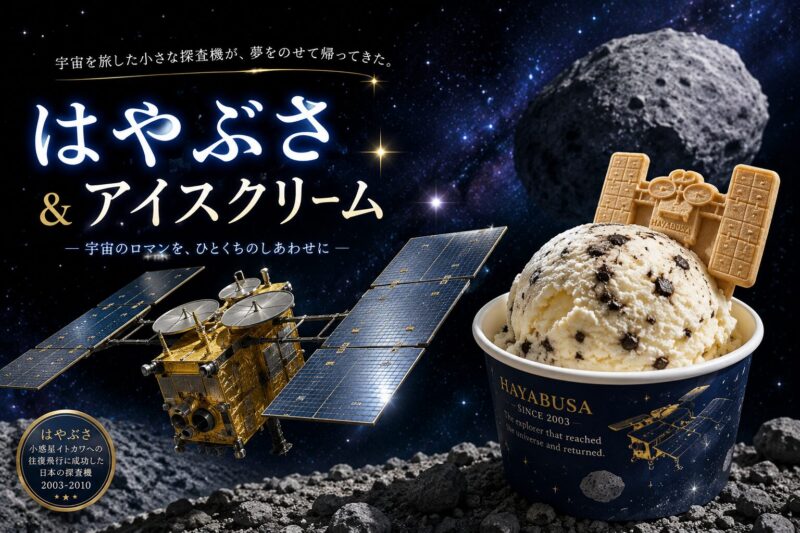
今日は、宇宙に向かって旅立ったひとつの探査機の話をしたいと思います。
2003年5月9日——鹿児島県内之浦の発射場から、小さな探査機が打ち上げられました。目指すは、地球から約3億km離れた小惑星「イトカワ」。その名は「はやぶさ」。
7年間・60億kmという旅の果てに待ち受けていたのは、奇跡と感動の帰還でした。今日はその物語と、5月9日に重なる記念日をお届けします。
5月9日の記念日まとめ
📖 5月9日の主な記念日
・はやぶさ打ち上げ記念日——2003年5月9日、小惑星探査機はやぶさが鹿児島から打ち上げ
・アイスクリームの日——1964年5月9日、東京アイスクリーム協会が記念事業を実施
・黒板の日——「こ(5)く(9)ばん」の語呂合わせ。全国黒板工業連盟が2000年制定
・告白の日——「こ(5)く(9)はく」の語呂合わせ
・呼吸の日——「こ(5)きゅう(9)」の語呂合わせ
・ヨーロッパデー——1950年のシューマン宣言(EU前身誕生のきっかけ)を記念
60億kmの旅——はやぶさが教えてくれた「諦めない」という言葉
2003年5月9日13時29分25秒——鹿児島県内之浦宇宙空間観測所から、M-Vロケットに乗って小惑星探査機「はやぶさ」が打ち上げられました。
ミッションは、地球から約3億km離れた小惑星「イトカワ」に着陸し、表面のサンプルを採取して地球に持ち帰ること——人類が月以外の天体でサンプルリターンに挑む、世界初の試みでした。
🚀 はやぶさ基本データ
・打ち上げ日:2003年5月9日
・打ち上げ場所:鹿児島県内之浦宇宙空間観測所
・目的地:小惑星イトカワ(地球から約3億km)
・旅の総距離:約60億km
・地球帰還:2010年6月13日(7年間の旅)
・世界初:月以外の天体からのサンプルリターン成功
次々と襲いかかるトラブル——それでも諦めなかった7年間
はやぶさの旅は、トラブルの連続でした。
2005年、イトカワに到着したはやぶさ。しかし着陸時の問題により、搭載した姿勢制御装置(リアクションホイール)が相次いで故障。化学エンジンの燃料漏れで機体は姿勢を崩し、なんと7週間も地球との通信が途絶してしまいます。
「はやぶさは失われた」——そう思われたその時、奇跡的に通信が回復。しかし試練はまだ続きます。
地球帰還に向けてイオンエンジンを再点火した2009年、今度はエンジン自体が故障。4基あったエンジンのうち、正常に動くのはわずか1基になってしまいました。
しかしJAXAの運用チームは諦めませんでした。「万が一に備えて設置していた電子回路を使い、故障した2基のエンジンの生きている部品どうしをつなぎ合わせる」という前代未聞の方法で推進力を確保。奇跡の帰還が実現したのです。
「はやぶさは満身創痍だったが、それでも地球に帰ろうとしていた」——関係者はそう振り返っています。
燃え尽きながら、カプセルだけを地球に届けた最後の瞬間
2010年6月13日夜——7年間・60億kmの旅を終え、はやぶさは地球大気圏に突入しました。
突入の約3時間前、川口淳一郎プロジェクトマネージャーの計らいで、最後に「はやぶさに地球を見せてあげよう」という試みがなされました。ふらつく機体を懸命に立て直し、カメラを地球へ向ける——送られてきたデータのほとんどは真っ暗なものでしたが、その中に青く輝く地球の姿が映っていました。
そして22時51分、はやぶさは大気圏に突入し、流れ星のように輝きながら燃え尽きました。本体は失われましたが——イトカワのサンプルが入ったカプセルだけは、南オーストラリアのウーメラ砂漠に無事着地しました。
翌14日、カプセルが回収されると、後の分析でカプセル内にイトカワ由来の微粒子が約1,500個確認されました。
✨ はやぶさが世界初で達成したこと
・月以外の天体からのサンプルリターン成功(世界初)
・イオンエンジンと地球スイングバイの組み合わせ(世界初)
・小惑星が「瓦礫の山(ラブルパイル天体)」であることを初めて観測で証明
・特定の隕石の故郷が特定の小惑星であることを直接証明(世界初)
なお、実はサンプル採取用の金属弾が発射されていなかった可能性が高いにもかかわらず、着陸時の衝撃で舞い上がった砂埃がカプセルに飛び込んでいたことが後に判明しています。まるではやぶさ自身が「それでも持って帰るんだ」と踏ん張ったかのようで、胸が熱くなります。
アイスクリームの日——実は「日本初のアイスクリーム」の話が面白い
5月9日は「アイスクリームの日」でもあります。1964年の東京オリンピックが開催された年のこの日、東京アイスクリーム協会が記念事業を行い、都内の病院や施設にアイスクリームをプレゼントしたことが由来です。
ところで、日本で最初にアイスクリームが食べられたのはいつだか知っていますか?
🍦 日本のアイスクリーム誕生秘話
1869年(明治2年)、横浜・馬車道の「氷水屋」を営んでいた町田房蔵が、日本で初めて「あいすくりん」を製造・販売しました。当時の価格はなんと2分(現代の価値で約8,000円)という超高級品!庶民には手の届かないぜいたく品でした。
明治時代に8,000円相当の「あいすくりん」——それが今や100円ほどで誰でも食べられる身近なおやつになった。この150年の変化もなかなか感慨深いですね。
今日は帰り道にアイスを買って、はやぶさの旅に思いを馳せてみてはいかがでしょうか?
日本人がマナスルに世界初登頂した日
実は5月9日には、もうひとつ日本人が誇れる記念日があります。
1956年5月9日——槇有恒率いる日本山岳会隊の今西壽雄が、世界第8位の高峰マナスル(標高8,163m)への世界初登頂を果たしました。
当時、エベレストにはすでにイギリス隊が登頂しており、各国が競って「未踏の8000m峰」を目指していた時代。日本隊がネパールのマナスルへの挑戦権を得たのは1952年のこと。1953年・1954年と悪天候や雪崩に阻まれ2度の失敗を経て、3度目の挑戦でついに頂上に立ったのです。
この快挙の知らせは日本中を熱狂させ、翌1957年には記念切手まで発行されました。
5月9日は「限界を超えた挑戦」を思い出す日
7年間・60億kmを旅したはやぶさ。3度目の挑戦でマナスルの頂に立った日本山岳会隊。どちらも、壁にぶつかり続けながら、諦めずに前へ進み続けた人々の物語です。
「もう無理かもしれない」と思ったとき、今日の記念日を思い出してみてください。
📝 まとめ
- 2003年5月9日、小惑星探査機「はやぶさ」が鹿児島・内之浦から打ち上げられた
- 7年間・60億kmの旅の末、世界初の小惑星サンプルリターンに成功
- 通信途絶・エンジン故障・化学燃料漏れ——満身創痍でも諦めなかったはやぶさと運用チーム
- 大気圏で燃え尽きながら、カプセルだけを地球に届けた最後の姿が感動を呼んだ
- アイスクリームの日——日本初の「あいすくりん」は明治時代に約8,000円の高級品だった
- 1956年5月9日、日本山岳会隊がマナスル(8,163m)に世界初登頂。3度目の挑戦での快挙
最後まで読んでくださってありがとうございました😊
今日はアイスクリームを食べながら、60億km彼方の宇宙に思いを馳せてみてください。はやぶさはきっと、どこかで輝き続けています。
では、よい一日をお過ごしください。
see you soon.
What Day Is May 9th? “A Journey of 6 Billion Kilometers” — The Day Hayabusa Left for the Stars, and the Day Ice Cream Was Born in Japan
May 9th. Before we know it, a third of May has already gone by.
Today, I want to tell you the story of a small spacecraft that set off toward the stars.
On May 9th, 2003 — from a launch site in Uchinoura, Kagoshima — a tiny explorer was hurled into space. Its destination: the asteroid “Itokawa,” roughly 300 million kilometers from Earth. Its name: Hayabusa.
At the end of a seven-year, six-billion-kilometer journey, what waited was a return that can only be called miraculous. Today, let’s explore that story — along with the other commemorative days that fall on May 9th.
May 9th Commemorative Days at a Glance
📖 Main Commemorative Days on May 9th
· Hayabusa Launch Anniversary — May 9th, 2003: asteroid probe Hayabusa launched from Kagoshima
· Ice Cream Day — May 9th, 1964: the Tokyo Ice Cream Association held a commemorative event
· Blackboard Day — Wordplay on “Ko (5) Ku (9) ban (board)”; established in 2000 by the National Blackboard Industry Federation
· Confession Day — Wordplay on “Ko (5) Ku (9) haku (confession)”
· Breathing Day — Wordplay on “Ko (5) Kyuu (9) (breathing)”
· Europe Day — Commemorates the 1950 Schuman Declaration, the spark that led to the founding of the EU’s predecessor
A Journey of 6 Billion Kilometers — What Hayabusa Taught Us About Never Giving Up
At exactly 13:29:25 JST on May 9th, 2003, the asteroid probe Hayabusa lifted off aboard an M-V rocket from the Uchinoura Space Center in Kagoshima Prefecture.
Its mission: to travel to the asteroid Itokawa — approximately 300 million kilometers from Earth — land on its surface, collect samples, and bring them home. It was humanity’s first-ever attempt at a sample return from a celestial body beyond the Moon.
🚀 Hayabusa: Key Facts
· Launch date: May 9th, 2003
· Launch site: Uchinoura Space Center, Kagoshima Prefecture
· Destination: Asteroid Itokawa (~300 million km from Earth)
· Total distance traveled: approximately 6 billion km
· Return to Earth: June 13th, 2010 (a 7-year journey)
· World first: Successful sample return from an asteroid
Trouble After Trouble — Seven Years of Never Giving Up
Hayabusa’s journey was defined by one crisis after another.
In 2005, Hayabusa reached Itokawa — but during the landing sequence, its attitude control devices (reaction wheels) failed one after another. A fuel leak from the chemical thrusters sent the spacecraft tumbling, and contact with Earth was lost for a full seven weeks.
“Hayabusa is gone” — that’s what many feared. Then, miraculously, communication was restored. But the trials weren’t over.
In 2009, as the team reignited the ion engines for the return journey, the engines themselves began to fail. Of four engines originally on board, only one remained functional.
But JAXA’s operations team refused to give up. Using an emergency circuit installed “just in case,” they connected the surviving components of two failed engines together — an unprecedented improvisation that gave Hayabusa just enough thrust. The miraculous return became possible.
“Hayabusa was battered and broken — but it still wanted to come home.” That’s how the team described it.
Burning Up, But Delivering the Capsule — Hayabusa’s Final Moments
On the night of June 13th, 2010, after seven years and six billion kilometers, Hayabusa entered Earth’s atmosphere.
About three hours before re-entry, Project Manager Junichiro Kawaguchi arranged one last gesture: “Let’s show Hayabusa the Earth one more time.” The team carefully steadied the wobbling spacecraft and turned its camera toward home. Most of the data that came back was darkness — but somewhere in that darkness was a image of Earth, glowing blue.
At 22:51 JST, Hayabusa plunged into the atmosphere and burned up like a shooting star. The spacecraft itself was lost — but the capsule carrying Itokawa’s samples landed safely in the Woomera Desert of South Australia.
The capsule was recovered the following day. Later analysis confirmed approximately 1,500 particles of Itokawa origin inside.
✨ World Firsts Achieved by Hayabusa
· First successful asteroid sample return (world first)
· First combination of ion engine propulsion and Earth gravity assist (world first)
· First observational proof that asteroids can be “rubble pile” bodies
· First direct evidence linking a specific type of meteorite to a specific asteroid (world first)
Here’s one more remarkable detail: it’s believed the sample-collection projectile may never have actually fired. And yet, dust stirred up by the impact of landing had drifted into the capsule on its own. It’s as if Hayabusa itself was thinking, “I’ll bring something back — no matter what.”
Ice Cream Day — The Surprisingly Fascinating Story of Japan’s First Ice Cream
May 9th is also Ice Cream Day in Japan. The holiday traces back to 1964 — the year of the Tokyo Olympics — when the Tokyo Ice Cream Association held a commemorative event and gifted ice cream to hospitals and facilities across the city.
But do you know when ice cream first appeared in Japan?
🍦 The Origin Story of Ice Cream in Japan
In 1869 (Meiji 2), a man named Fusazō Machida began making and selling Japan’s first ice cream — called “aisukurin” — at his ice shop on Bashamichi Street in Yokohama. The price at the time? The equivalent of roughly ¥8,000 in today’s money — an absolute luxury that was well beyond the reach of ordinary people.
A frozen treat that once cost ¥8,000 is now something anyone can grab for around ¥100. There’s something quietly wonderful about that 150-year journey, isn’t there?
Why not pick up an ice cream on the way home today, and let your thoughts drift out to wherever Hayabusa might be?
The Day Japanese Climbers First Reached the Summit of Manaslu
May 9th holds one more milestone worth celebrating.
On May 9th, 1956, Toshio Imanishi of the Japanese Alpine Club — leading an expedition organized by Hisashi Maki — became the first person ever to summit Manaslu, the world’s eighth-highest peak at 8,163 meters above sea level, located in Nepal.
It was an era when nations were racing to claim the remaining unclimbed 8,000-meter peaks. Japan had secured climbing rights to Manaslu in 1952, but attempts in 1953 and 1954 were turned back by brutal weather and avalanches. On the third attempt, they finally stood on top.
The news sent Japan into celebration, and the following year a commemorative postage stamp was issued in honor of the achievement.
May 9th Is a Day to Remember What It Means to Push Past Your Limits
Hayabusa, traveling seven years and six billion kilometers. The Japanese Alpine Club, reaching Manaslu on their third attempt after being turned back twice. Both are stories of people who kept moving forward despite hitting wall after wall.
The next time you think “I don’t think I can do this anymore,” let today’s stories be a reminder.
📝 Summary
- On May 9th, 2003, the asteroid probe Hayabusa launched from Uchinoura, Kagoshima
- After a 7-year, 6-billion-kilometer journey, it achieved the world’s first asteroid sample return
- Lost communications, engine failures, fuel leaks — Hayabusa and its team never gave up
- Burning up in the atmosphere, it delivered its capsule safely to Earth — a moment that moved the world
- Ice Cream Day — Japan’s first “aisukurin” was a luxury item worth about ¥8,000 in Meiji-era Japan
- On May 9th, 1956, the Japanese Alpine Club achieved the world’s first summit of Manaslu (8,163m) — on their third attempt
Thank you so much for reading all the way to the end 😊
Today, treat yourself to an ice cream — and let your thoughts travel six billion kilometers out into space. Somewhere out there, Hayabusa is still shining.
Have a wonderful day.
See you soon.


コメント